


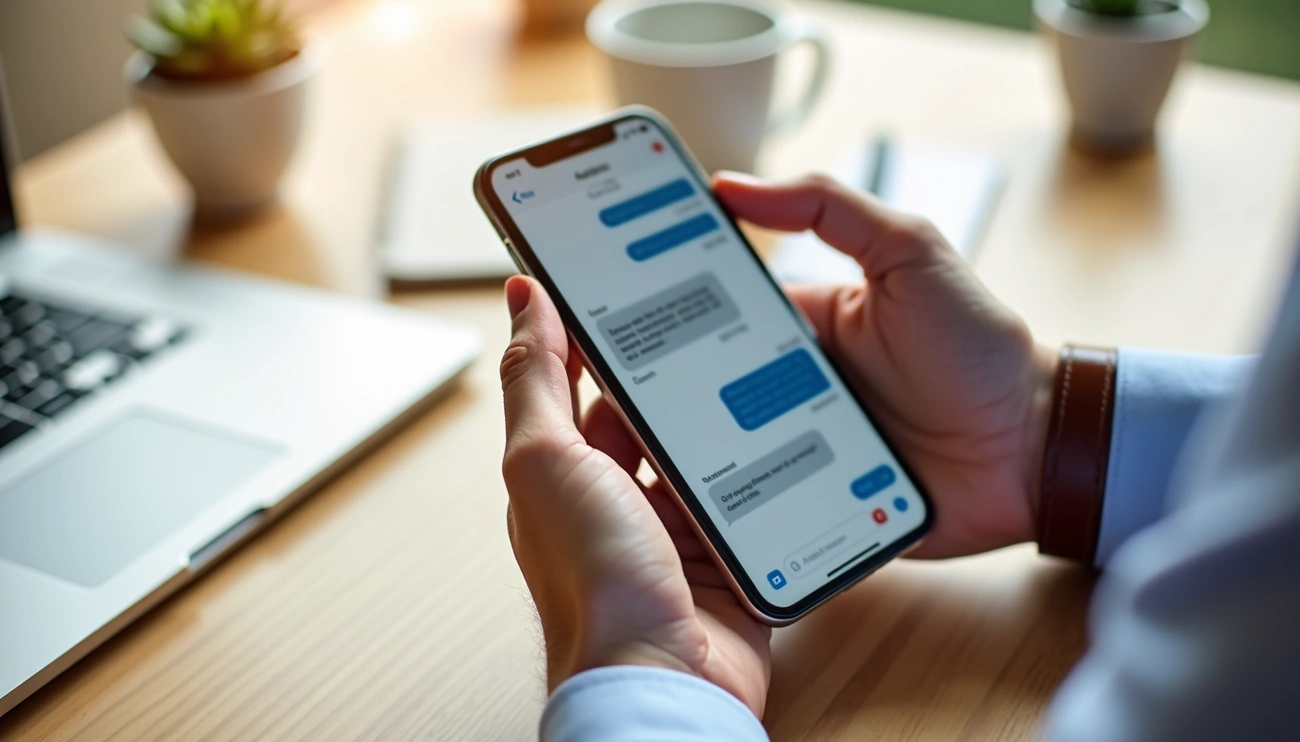
SMS marketing delivers an impressive 98% open rate, making it one of the most effective channels for reaching customers. 90% of users read their messages within three minutes of delivery, offering businesses near-instant visibility. Over 66% of customers prefer SMS notifications, and campaigns generate strong returns. Understanding what SMS marketing is and how to use it matters for modern businesses.
This piece will walk you through the benefits of SMS marketing and show you practical examples. We’ll share best practices sms marketing 2025 2026 and help you build your first SMS marketing strategy from the ground up.
What is SMS Marketing

Image Source: CartBoss
Short Message Service marketing is the practice of sending text messages to customers who have agreed to receive them. This permission-based approach means you can only text people who opt in to your subscriber list and makes it fundamentally different from cold outreach methods. Businesses use SMS to send promotional offers, transactional updates, reminders and announcements direct to mobile phones.
More than seven in 10 consumers signed up to receive texts from businesses within the last year, and 84% of consumers have opted in to receive business texts. People actually prefer texting as a communication method with brands, and this preference shows in the numbers.
How SMS Marketing Works
You start an SMS marketing program by creating an opt-in subscriber list. Each recipient must give you written permission before you send any messages. Sign-up methods include web forms, keywords people text to your number or in-store promotions where customers provide their phone numbers.
You can send messages through an SMS platform after you have subscribers. Standard text messages are limited to 160 characters and force you to keep content short and direct. Messages are sent from short codes (5-6 digits) rather than full phone numbers. Many countries don’t allow altering sender information, so including your company name in the message helps recipients identify you.
Timing matters a great deal. You need to think over time zones to avoid sending messages while people sleep or during inconvenient hours. Single SMS messages deliver in about five seconds, while larger campaigns may take longer depending on size and carrier processing.
SMS vs MMS: Understanding the Difference
SMS and MMS serve different purposes in text marketing. SMS handles plain text only, with a strict 160-character limit. Messages break into multiple segments when you exceed this limit.
MMS (Multimedia Messaging Service) allows you to send images, videos, GIFs and audio files. Character limits jump to 1,600 characters and give you ten times more space for text content. MMS messages cost two to three times more than standard SMS since carriers handle larger data files.
MMS campaigns deliver conversion rates 2.8 times higher than SMS and show 15% to 20% higher engagement levels on average. The visual elements grab attention better, though the increased cost means you’ll want to use MMS strategically rather than for every message.
Why Businesses Use Text Message Marketing
SMS functions as an owned marketing channel and gives you complete control over your subscriber list, message timing and content. Nobody can take away your list or freeze your account overnight. Social media platforms can adjust algorithms or delete accounts without warning, and reach and engagement can drop suddenly as a result.
Businesses run different campaign types through SMS. Welcome campaigns greet new subscribers and collect preference data for segmentation. Promotional discounts deliver tailored offers like free shipping or custom coupons. Reengagement campaigns address abandoned carts and price drops. Loyalty programs offer exclusive sale access and status rewards. Seasonal campaigns drive conversions around Black Friday and holidays.
SMS campaigns generate an average ROI of $16.70 for every $1.00 spent, with a 27.7% click-through rate. 53% of marketers identify SMS as a top three revenue-driving channel, and 22% say SMS campaigns generate more than 20% of their total revenue.
Benefits of SMS Marketing for Your Business

Image Source: Salesmsg
The benefits of SMS marketing extend way beyond simple message delivery. Understanding these advantages helps you build a more effective SMS marketing strategy that drives measurable results.
High Open Rates and Instant Delivery
Text messages achieve open rates around 98%, outperforming email’s typical 20% open rate by a lot. Nearly every subscriber sees your message. This creates visibility other channels can’t match. Email open rates hover between 20-28%. SMS is nearly five times more likely to be seen by recipients.
Speed matters just as much. 90% of SMS messages are read within three minutes of delivery. You get near-instant customer attention. Single SMS messages arrive in about five seconds. This immediacy creates opportunities to capitalize on time-sensitive offers and flash sales. Urgent updates lose effectiveness with delayed viewing.
Response rates tell an even stronger story. SMS delivers an average 45% response rate compared to around 6% for email. Studies show that 35% of recipients take action on text messages. Email struggles to break 6%. SMS outperforms dramatically when you need customers to actually involve themselves rather than just view.
Economical Marketing with Strong ROI
SMS marketing costs between $0.01 and $0.05 per message in the U.S.. This makes it one of the most affordable direct marketing channels available. Businesses earn around $71.00 for every $1.00 spent on SMS marketing, representing a 7100% ROI. Other sources report an average ROI of $16.70 for every $1.00 spent, with engagement metrics showing a 27.7% click-through rate.
Think about the economics: sending 1,000 texts at $0.03 each costs $30.00 total. With a 5% conversion rate and $50.00 average order value, you’d generate $2,500.00 in revenue. This delivers an 8,233% ROI. Conversion rates for SMS campaigns range between 21% and 40%, outperforming most other digital channels by a lot.
72% of consumers made a purchase as a direct result of receiving a text message from a brand. Another 14% made impulse purchases thanks to text messages, while 65% said an SMS made them purchase sooner than planned.
Personal and Direct Customer Connection
SMS arrives in a recipient’s messaging app. This creates a personal connection other channels can’t replicate. Messages feel more intimate than email or social media posts. You can use casual, friendly language instead of formal marketing copy. This builds rapport through conversational tone.
Personalization strengthens this connection further. Segmentation and targeted messaging based on customer data like demographics and purchase history create distinct audience segments. Customers develop stronger loyalty when messages align with individual priorities. 96% of consumers say they’re likely to purchase from at least one type of individual-specific message, while 90% want more personalization than they receive.
Easy to Track and Measure Results
SMS platforms provide specific, measurable data on every campaign. You can monitor delivery rates, click-through rates and conversion rates all in one dashboard. Click-through rates average 21-35%. This gives clear insight into message effectiveness.
Key metrics include delivery rate, conversion rate and campaign ROI. These measurements help you understand what drives performance and identify optimization opportunities. You can track how text campaigns affect pipeline value and customer lifetime value. SMS subscribers convert faster than email-only contacts.
Types of SMS Marketing Messages You Can Send

Image Source: CartBoss
Understanding which message types fit your business needs shapes your SMS marketing strategy. Each category serves a distinct purpose, from driving sales to keeping customers informed about their orders and appointments.
Promotional Text Campaigns
Promotional campaigns highlight discounts, sales, and limited-time deals. These messages create urgency around special offers and drive immediate purchases. Examples include “Save 25% on your next order! Use code SAVE25 at checkout today” or “Exclusive offer: Free shipping on orders $50.00+”.
Flash sales work well through SMS. Subscribers see messages fast and can act before offers expire. Product launches, holiday promotions, and abandoned cart reminders all fall under promotional messaging. One apparel brand generated 100 orders in the first hour of their SMS campaign, with 87% of recipients clicking the link and 9% placing orders. The campaign delivered $167.00 in revenue per recipient.
Transactional Messages
Transactional texts relate to customer actions like confirming orders, processing payments, or updating subscriptions. These messages provide information customers anticipate, such as “Order #8234 confirmed. Expect delivery by Thursday” or “Payment received—thank you! Your invoice has been emailed”.
Shipping and delivery updates keep customers engaged throughout the purchase experience. You can send notifications when orders are packed, shipped, out for delivery, or delivered. 86% of consumers now opt in to business texts. These updates build trust and reduce “where is my order?” support inquiries.
Reminder and Notification Texts
Appointment reminders reduce no-shows by 50% when you ask customers to confirm. These automated messages alert people about upcoming appointments, events, or obligations. Medical practices, salons, and service providers all benefit from sending reminders that include date, time, and preparation instructions.
Event reminders promote webinars, classes, or in-person gatherings. Examples include “Your webinar ‘Marketing Trends 2025’ starts in 1 hour” or “Reminder: Grand Opening tomorrow at 11 AM! Show this text for 10% off”. Feedback requests allow you to collect customer opinions after purchases or visits, with simple prompts like “How did we do? Reply 1–5 (5 = Excellent)”.
Broadcast Messages to Your Audience
Broadcast messaging sends one message to your entire contact list or specific segments. You can use broadcasts to promote products, send emergency alerts, or announce scheduled appointment changes. The immediacy makes broadcasts perfect when you need to share time-sensitive information like flash sales, weather alerts, or urgent announcements.
sms marketing best practices 2025 2026

Image Source: ActiveCampaign
Your first SMS marketing campaign needs five steps that turn your SMS marketing strategy from concept to execution.
Build Your Opt-In Subscriber List
You need clear consent before you send messages. A high opt-in rate shows strong brand value and trust. Exclusive SMS-only promotions or first-time discounts will incentivize signups. Promote SMS subscriptions during checkout, events or account creation. QR codes or short codes will help you get mobile-friendly opt-ins. Add signup forms to your website and social media profiles.
List growth is a major part of long-term success. Take new subscribers minus unsubscribes, divide by the previous month’s total, then multiply by 100 to calculate list growth rate. Rebecca Minkoff launched 2-in-1 sign-up units to convert browsers into SMS and email subscribers. They beat their quarterly subscriber goal in under a month and increased their list by 98.7% year-over-year.
Pick an SMS Marketing Platform
Select software that offers automation, contact management, segmentation, two-way messaging, scheduled texts and personalization. Look for stable APIs, optimal deliverability and global carrier relationships to scale. The provider should offer compliance support with opt-in/opt-out management and default opt-out keywords. Assess transparent reporting on deliverability, spam reports and opt-outs. Think about integration capabilities with your CRM and marketing tools.
Write Your First Text Message
Draft your message within 160 characters. Include your brand name so recipients know who’s texting. Messages over 160 characters cost more. Provide clear calls to action and redemption instructions.
Schedule and Send Your Campaign
Schedule at least 15 minutes in the future to avoid sending errors. Campaigns with large recipient counts send in batches. Send test messages to verify formatting before launch.
Track Your Campaign Results
Divide total sales by cost of investment, then multiply by 100 to track ROI. Divide conversions by texts delivered and multiply by 100 to track conversion rate. APL’s SMS program drives a 78x ROI with 25% of subscribers making three or more purchases.
72 hour launch social media sms strategy maximize sales

Image Source: ActiveCampaign
SMS marketing best practices protect your business legally and maximize campaign effectiveness. These foundational rules separate successful programs from those that struggle with compliance issues and poor engagement.
Always Get Permission First
You must get explicit written consent before sending marketing texts. The Telephone Consumer Protection Act requires prior express written consent. Violations carry penalties up to $1,500 per message. Never assume consent based on email signups or phone number submissions. Implement double opt-in by sending a confirmation text that asks subscribers to reply YES.
Keep Your Messages Short and Clear
Keep SMS messages under 155 characters to stay within a single segment. Messages exceeding 160 characters split into multiple texts and increase costs. Focus on one idea per send. Front-load your value proposition.
Time Your Messages Properly
Send messages between 10 AM and 8 PM for best results. Peak engagement occurs at 5 PM and 6 PM. Avoid early mornings before 8 AM and late evenings after 9 PM, as these violate quiet hours regulations[271]. Adjust for time zones when you have subscribers in different locations.
Include a Clear Call to Action
Every message needs a single, clear CTA using action verbs like Shop, Claim, or Reply. Include direct links to send traffic and track engagement.
Provide an Easy Way to Opt Out
Include “Reply STOP to cancel” in messages[271]. Process opt-out requests within 10 business days as required by law. Honor unsubscribe requests immediately to avoid spam complaints.
Tell Subscribers What to Expect
Disclose message frequency at signup, such as “up to 6 messages per month”[271]. Specify what content they’ll receive instead of vague promises.
Conclusion
SMS marketing delivers one of the highest returns on investment among digital marketing channels. The open rates and participation are impressive and email simply can’t match them. Building a successful SMS program starts with getting proper consent and choosing the right platform that delivers immediate value through concise messages.
Follow the best practices we’ve covered. Respect quiet hours and include clear opt-out options. You’ll build trust with your subscribers and drive ground revenue. Start small with a welcome campaign or promotional offer. Track your results with care and scale what works. Your first SMS campaign could deliver measurable results in just days.
FAQs
Q1. How do I get started with SMS marketing? Begin by obtaining explicit permission from customers who want to receive your messages. Choose an SMS marketing platform, build your opt-in subscriber list through signup forms or keywords, and create your first short message with a clear call to action. Always include an easy opt-out option and inform subscribers about message frequency.
Q2. What should I know about SMS marketing costs? SMS marketing is highly cost-effective, typically ranging from $0.01 to $0.05 per message in the U.S. Pricing usually follows volume-based tiers: smaller campaigns (1,000–10,000 messages) cost around $0.04–$0.05 per message, while larger enterprise campaigns (100,000+ messages) can drop to approximately $0.01 per message.
Q3. What are the most important best practices for SMS marketing? Always get written permission before sending messages, keep your texts under 160 characters, send during appropriate hours (10 AM to 8 PM), include a clear call to action, and provide an easy opt-out method like “Reply STOP to cancel.” Also, tell subscribers upfront how often they’ll hear from you.
Q4. How effective is SMS marketing compared to other channels? SMS marketing achieves approximately 98% open rates compared to email’s 20%, with 90% of messages read within three minutes of delivery. It delivers strong ROI, averaging $16.70 to $71.00 for every $1.00 spent, and generates response rates around 45% compared to email’s 6%.
Q5. What types of messages can I send through SMS marketing? You can send promotional campaigns with discounts and special offers, transactional messages like order confirmations and shipping updates, appointment reminders and notifications, and broadcast messages to your entire subscriber list or specific segments for time-sensitive announcements.